7 days and 6 nights Singapore study tour for college students
BOOK NOW
7 Days And 6 Nights Study Tour
7 D A Y 6 N I G H T S T U D Y T O U R D E T A I L S
Day 1
One-way airport pick-up or 4-6 hours itinerary according to flight arrangements including dinner
Afternoon:
Chinatown Little India URA Urban Redevelopment Authority (City Exhibition Hall)
Day 2
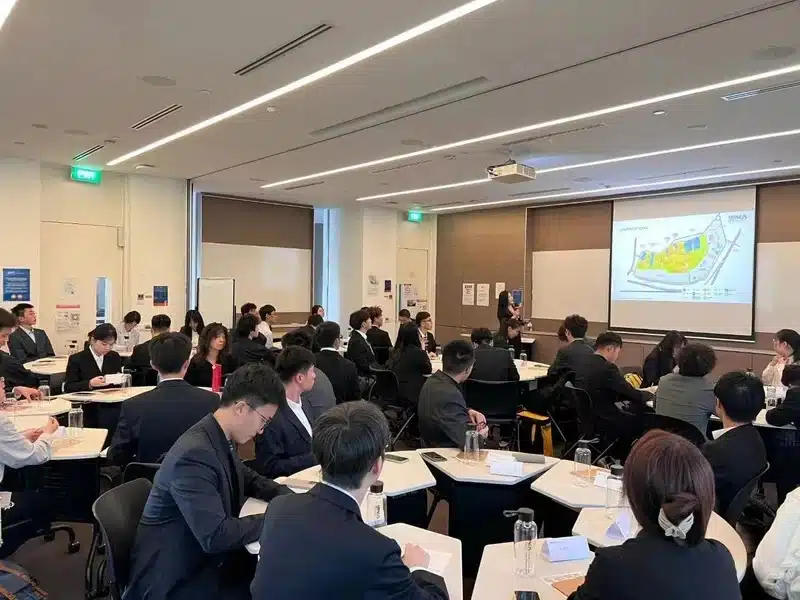
Study on campus and explore the ocean of knowledge (8:30am-6:30pm)
Morning:
NUS classes (9:00am-12:00pm) Lunch at the cafeteria
Afternoon:
Group study at NUS campus after class, homework discussion NUS student tour (4:30pm-6:00pm) Dinner at your own expense
Day 3
Continue learning and visit the museum (8:30am–6:30pm)
Morning:
NUS course (9:00am–12:00pm) Lunch at the cafeteria (self-catered)
Afternoon:
NUS Lee Kong Chian Natural History Museum (ticket included) NUS souvenirs and surrounding shops Dinner at your own expense
Day 4
Immersive courses to experience the Garden City (8:30am–6:30pm)
Morning:
NUS courses (9:00am–12:00pm) Lunch at the cafeteria
Afternoon:
Merlion Park Gardens by the Bay (exterior) Marina Barrage Dinner Bak Kut Teh
Day 5
Continue the happy classroom and go to the National Library (8:30am-6:30pm)
Morning:
NUS course (9:00am-12:00pm) Lunch in the cafeteria
Afternoon:
National Library of Singapore Students study independently and complete group assignments after class. Dinner Hainanese chicken rice
Day 6
Graduation Ceremony (8:30am–8:30pm)
Morning:
End of the course, Graduation Ceremony (9:00am–12:00pm) Lunch at your own expense
Afternoon:
Sentosa round-trip cable car (cable car tickets included) Dinner at your own expense
Day 7
Return to your warm home. According to the flight time, we will send you to the airport one way. You can also exchange it with the first day’s itinerary.
新加坡介绍
Garden City Singapore - Exploring Diverse Cultures
Singapore is located in Southeast Asia, at the southern tip of the Malay Peninsula. It is a tropical island with summer all year round. It is the country with the highest green coverage , a garden city renowned overseas , and is known for its strict laws. It has a place in finance, trade, maritime port freight , oil refining, insurance, and wealth management.
Singapore is a multiracial country. How was the unity among the races achieved? What is the logic of the specific system in the process of ? You will find the answer by walking through the streets and listening to the guide’s narration.
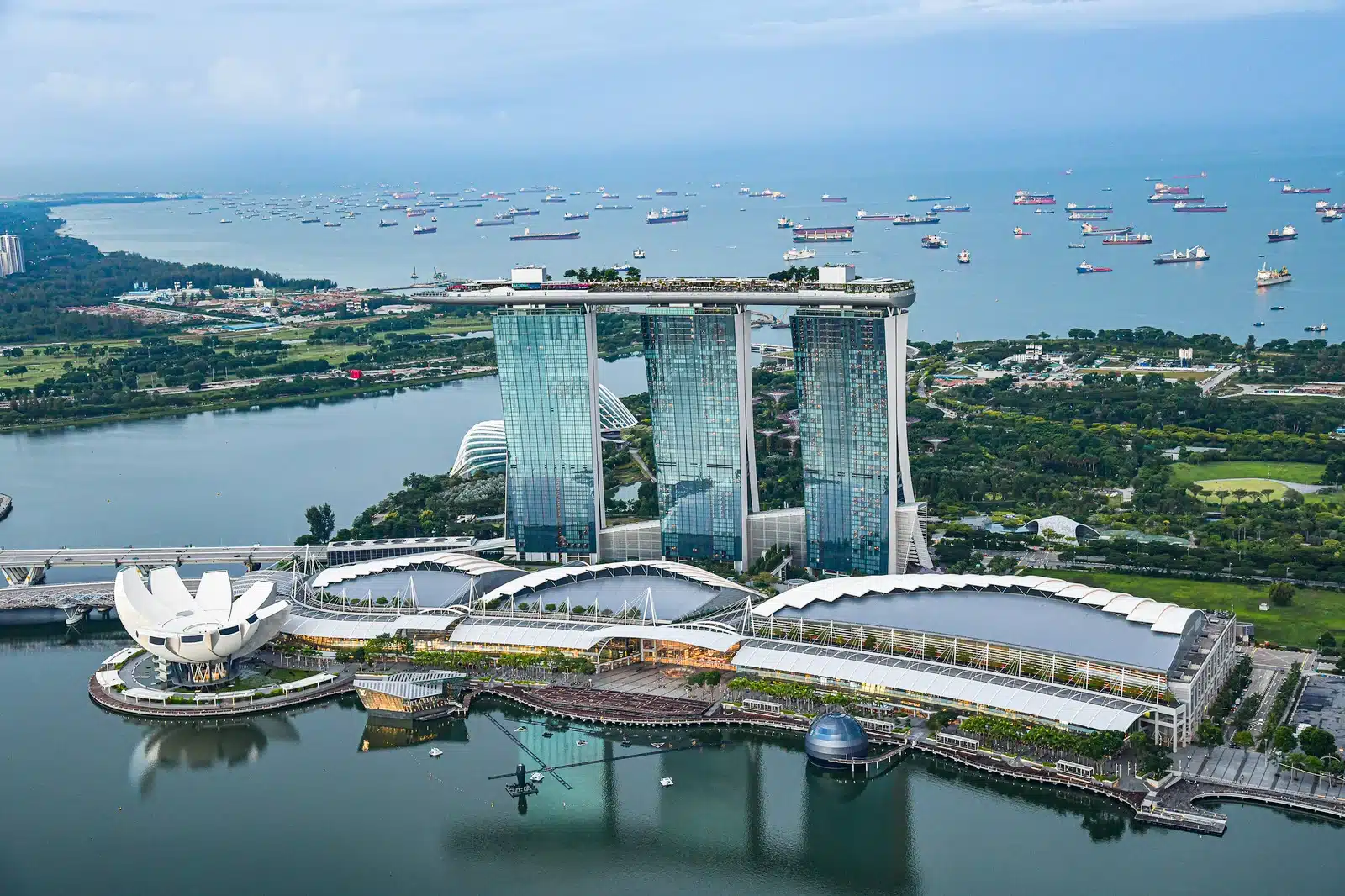
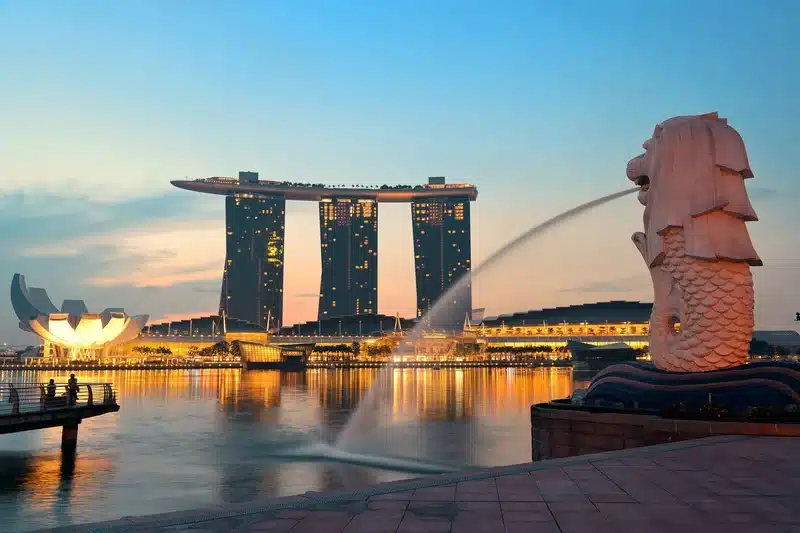
Pictured is the Marina Bay Sands Hotel, a famous landmark in Singapore
Attractions
Jewel Changi Airport
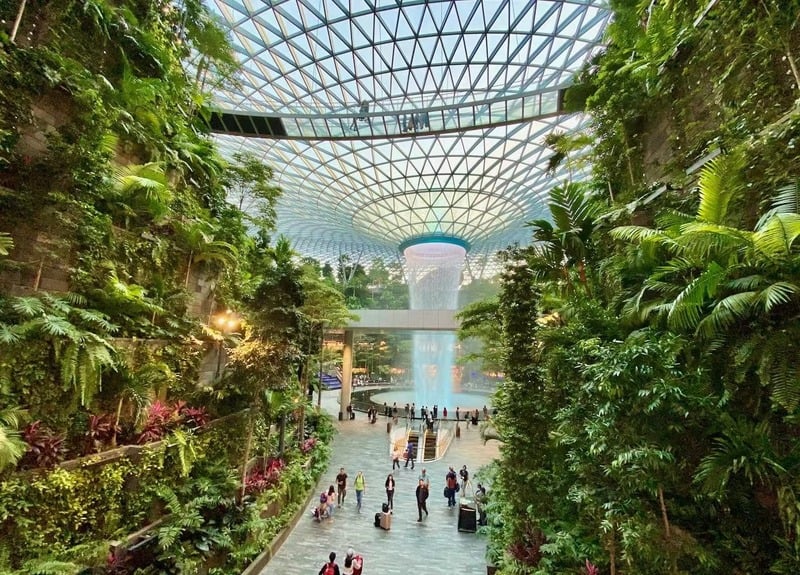
Jewel Changi Airport is a complex that combines shopping, dining and attractions at Singapore Changi Airport.
Jewel Changi Airport is most famous for its indoor waterfall in the center of the mall: Rainwhirlpool, the world’s tallest indoor waterfall – 40 meters high. Rainwhirlpool is located in a forest valley, and with the lush green vegetation as a backdrop, the entire Rainwhirlpool is very romantic and dreamy. At night, the Rainwhirlpool will emit different colors, and there will be a water dance light show, which is even more amazing, as if you have entered the world of Avatar.
As a bridge connecting the existing terminal, Jewel Changi Airport combines shopping malls and gardens to create a new community building that serves as the heart and soul of Changi Airport. Weaving together nature with culture and leisure facilities, Jewel Changi Airport vividly embodies the airport’s concept of an exciting and vibrant city center, and echoes Singapore’s reputation as the “Garden City”.
Pictured is the Changi Airport Waterfall
China Town
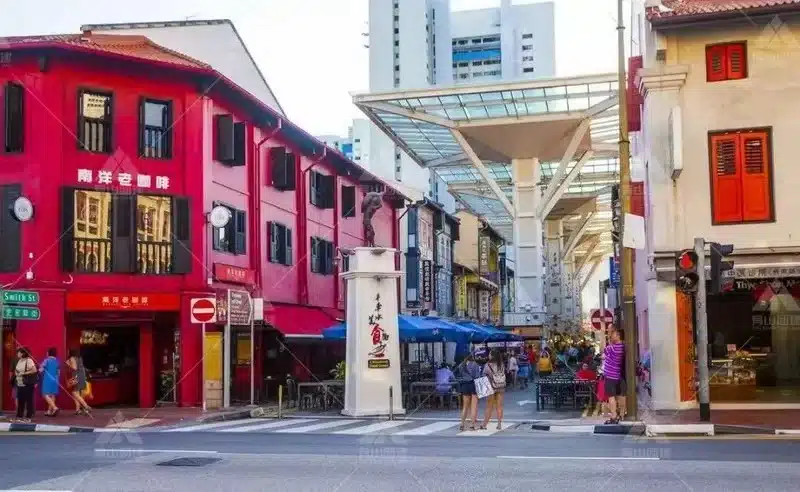
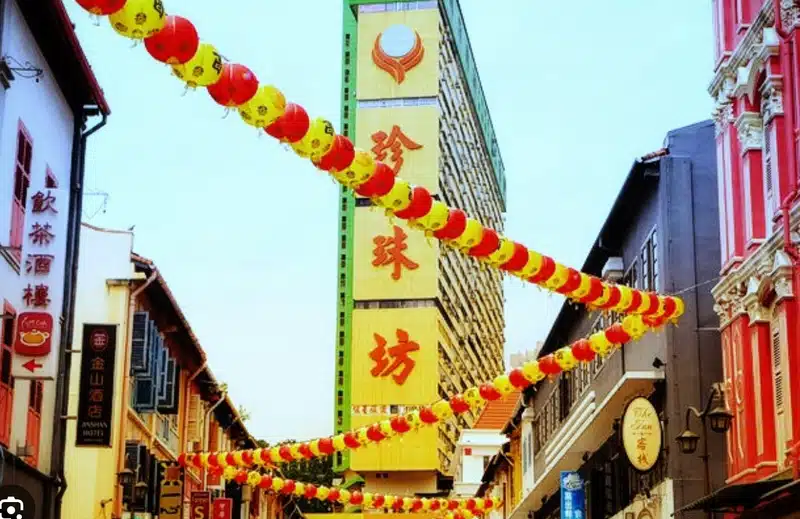
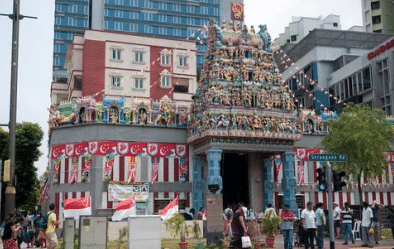
China Town was a gathering place for early Chinese immigrants, and there are historical traces left by the early struggles of our Chinese people. Today, it is a paradise where you can enjoy the delicacies of cities from all over the world, and a fusion of modernity and tradition.
Pictured is the Changi Airport Waterfall
Little India
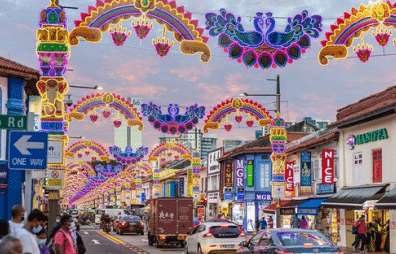
Colorful Indian-style buildings can be seen everywhere in Little India . The jewelry stores, clothing stores, and hand-painted tattoo shops that Indians love are like a miniature of India.
Pictured is Little India
Merlion Park
The half-fish, half-lion Merlionis the symbol of Singapore and is located at the Merlion Park on the waterfront. The body of the Merlion symbolizes Singapore’s humble beginnings as a fishing village, then known as Temasek, which shares the same root as the word tasek (Malay for “lake”). The head of the lion represents Singapore’s earliest name, Singapura , which means “Lion City” in Malay. Today, you can see this legendary statue at the Lion Park. Standing 8.6 meters tall and weighing 70 tons, the Fish Lion spews a constant stream of water, a symbol of wealth, from its mouth.
Pictured is Lion Park
Gardens by the Bay
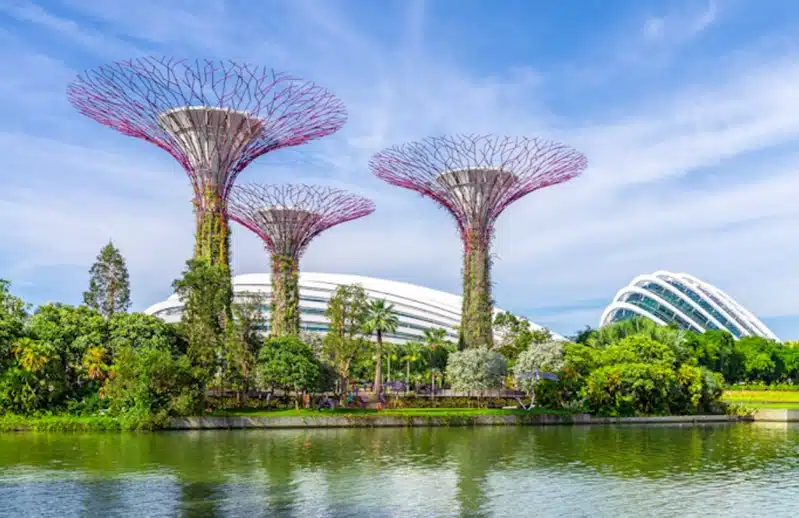
The Flower Dome and Cloud Forest are two greenhouses in the Gardens by the Bay, which were listed as the world’s largest glass greenhouses by the Guinness World Records in 2015.
Pictured is Gardens by the Bay
Sentosa
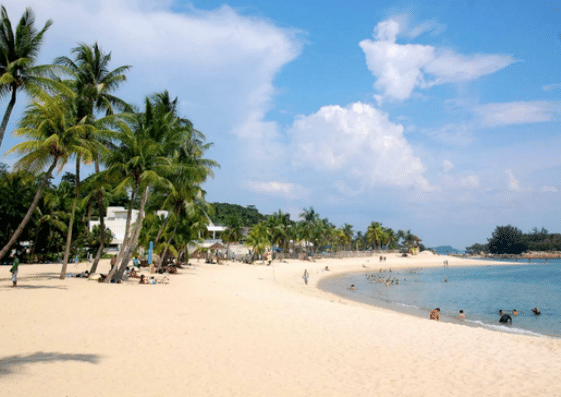
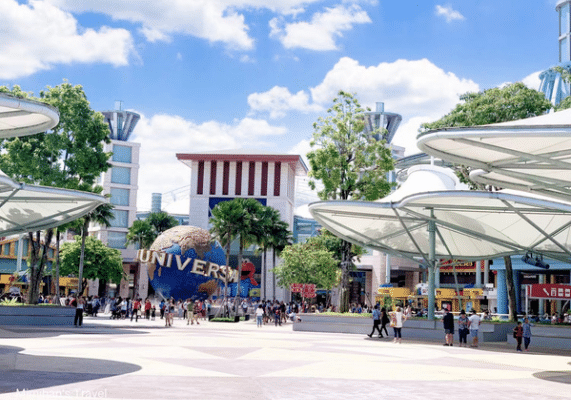
Sentosa is an island in the south of Singapore, located south of the main island of Singapore. It covers an area of less than 4,000 square kilometers and is the third largest island outside the main island of Singapore. Sentosa Island means “tranquility” in Malay. It not only has quiet and beautiful beaches, parks, and various attractions, but also the famous Singapore Oceanarium and Universal Studios are located on Sentosa Island. The southern end of Sentosa Island has the three most beautiful and unique beaches in Singapore, from west to east, namely Siloso Beach, Palawan Beach and Tanjong Beach.
Pictured is Sentosa Island Beach
Sentosa Cable Car
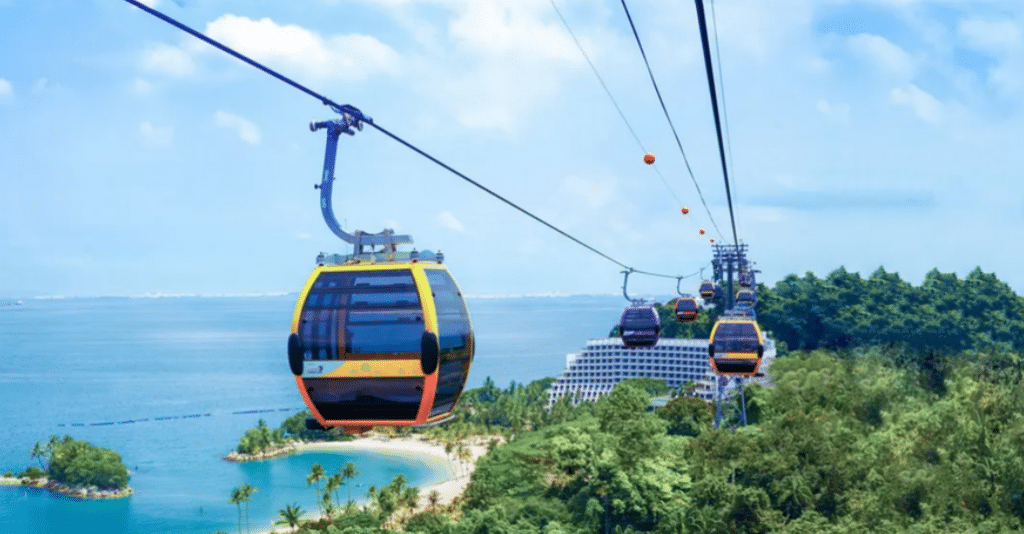
The Singapore Faber Mountain Jewel Box Cable Car (also known as the Singapore Sky Cable Car) is one of the transportation options to Sentosa, where you can enjoy the beautiful Sentosa from the sky. The Singapore Cable Car system connects Mount Faber with Sentosa Island. After touring Sentosa, take the cable car directly to the dining and entertainment resorts on the top of Mount Faber. It is the best way to visit both worlds.
Pictured is the Sentosa Cable Car
Singapore URA Urban Redevelopment Authority
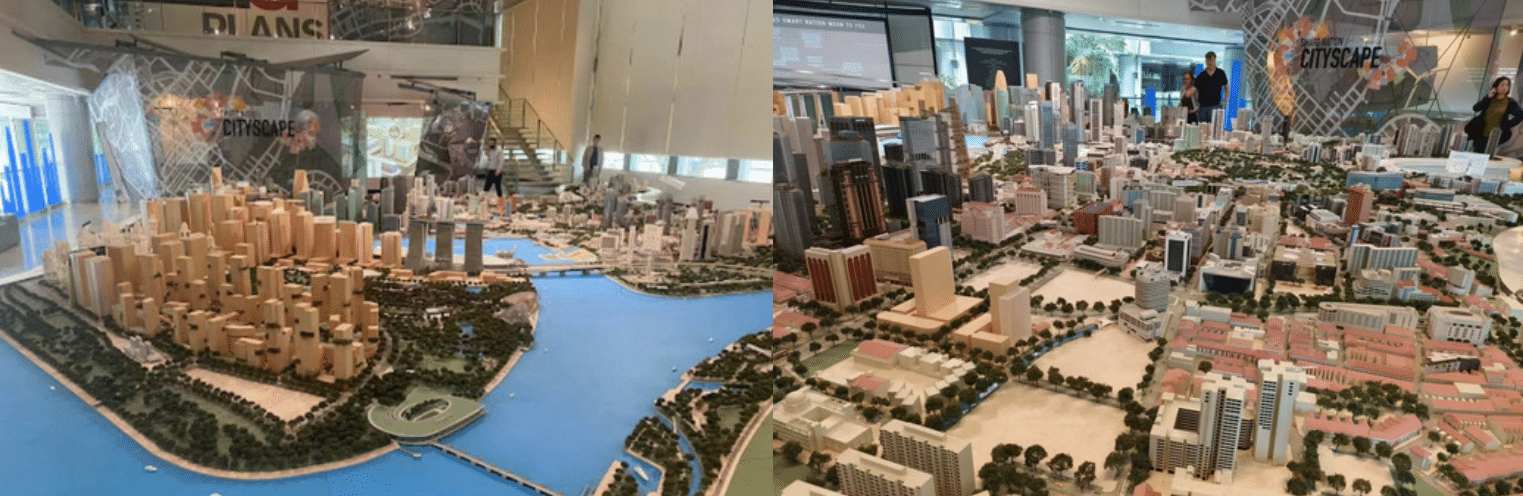
URA is one of the most important government departments in Singapore. Through learning and visiting, you can fully understand how Singapore maintains a balance between modernity and tradition and has become an international financial and trade metropolis . It is a department set up by the National Urban Planning Bureau Development Department. The Urban Redevelopment Authority’s responsibility is to protect and develop this garden city to the maximum extent in this country with a land shortage of 53.32 kilometers from east to west and 33.9 kilometers from south to north. Make Singapore a city.
图为URA
Monetary Authority of Singapore
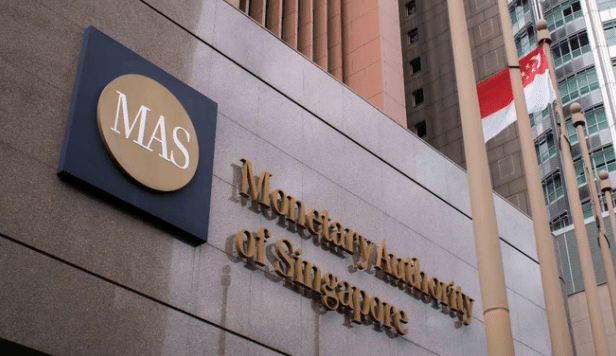
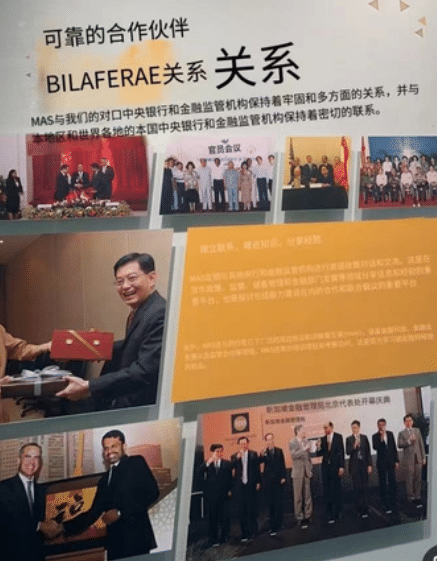
The Monetary Authority of Singapore is a government agency that performs the functions of a central bank in Singapore. It is responsible for monitoring the financial institutions and is headed by the Prime Minister of Singapore. It is responsible for currency issuance, maintaining financial stability, managing the country’s foreign exchange, and helping Singapore become an international financial center.
The picture shows the Monetary Authority of Singapore
National Library of Singapore
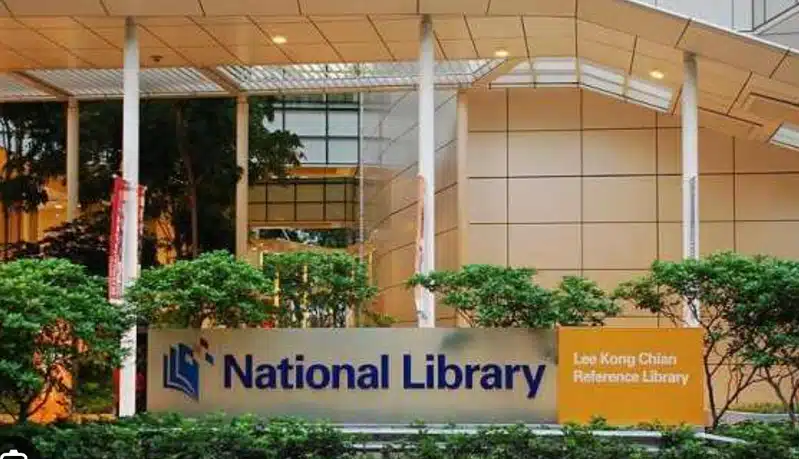
The National Library of Singapore (NLB) is one of the largest and most advanced libraries in Southeast Asia. If you want to know the cultural heritage of a country and how much it has invested in the cultural development of its people, go and see their library!
Pictured is the National Library of Singapore
Lee Kong Chian Museum of Natural History
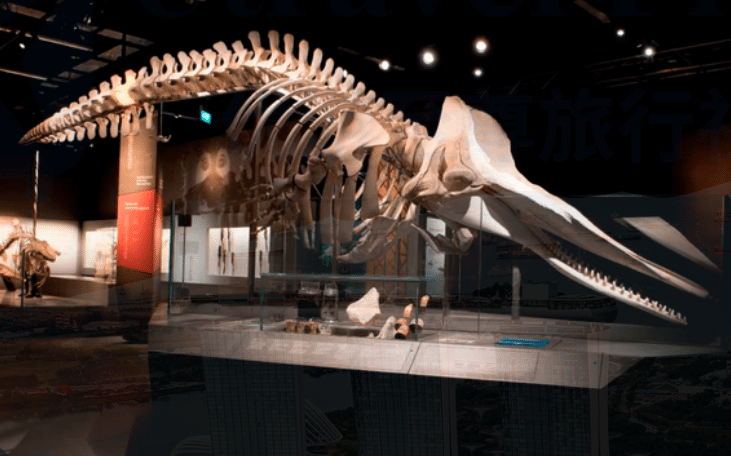
The predecessor of the Lee Kong Chian Natural History Museum was the Raffles Museum built in 1889. The government later transferred the natural history collections to the National University of Singapore. The museum was funded by the Lee Kong Chian Foundation, which was founded by Lee Kong Chian, and opened to the public in April 2015. It is the first natural history museum in Singapore, with a total collection of 560,000 pieces, of which 2,000 animal and plant specimens.
Pictured is the treasure of the Lee Kong Chian Natural History Museum
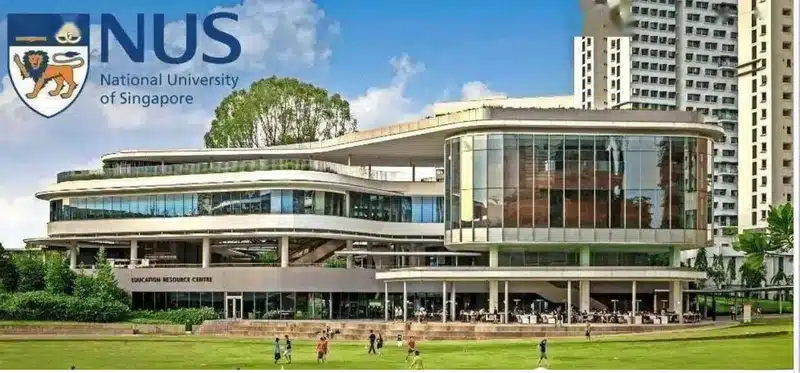
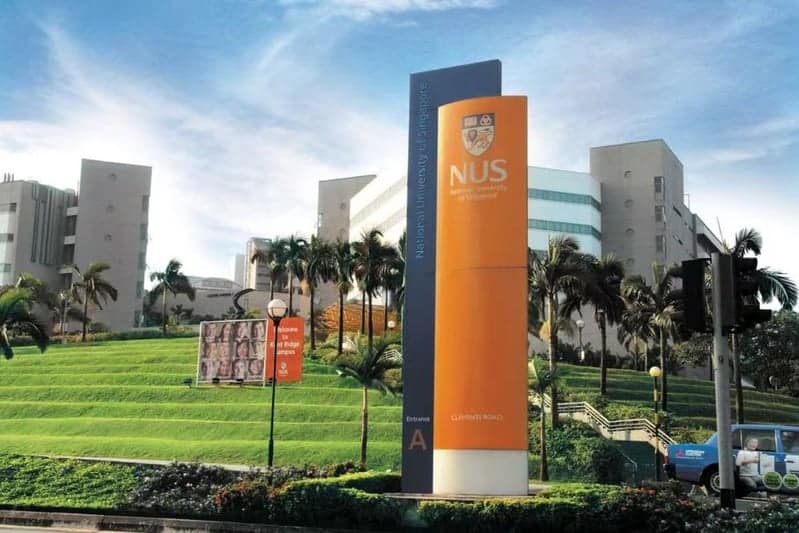
National University of Singapore
The National University of Singapore (NUS), also known as the National University of Singapore, is the first institution of higher learning in Singapore. Its predecessor was the Straits Settlements Medical School established in 1905. Today, the National University of Singapore has become a comprehensive research university with 17 colleges. In the 2024 QS World University Rankings, the National University of Singapore ranks 8th in the world and 1st in Asia.
Pictured is the National University of Singapore
FOOD
The package includes three special dinners, each costing S$20.
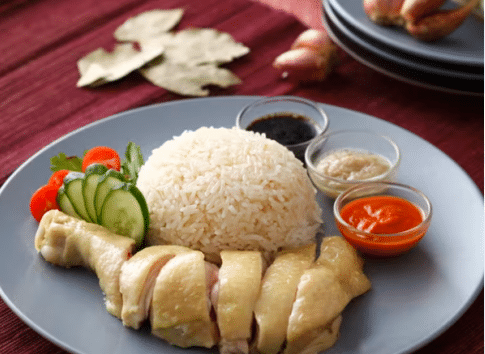
Singaporean Style Hainanese Chicken Rice
This cooking method originated in Hainan, but now has a uniquely Singaporean twist. The chicken is boiled or blanched until cooked through, then dipped in ice water to keep it tender. Locally, the chicken is also rubbed with soy sauce and grilled or baked for a different taste.
In Singapore, this dish is heavily influenced by Cantonese cuisine, with a spicy red chilli dipping sauce and tender chicken. But the success or failure of this dish depends on the rice and the chilli. The rice, cooked with chicken stock, ginger and orchid leaves, needs to have just the right amount of oil. And the chilli must have just the right blend of spicy and sour.
Pictured is Hainanese chicken rice
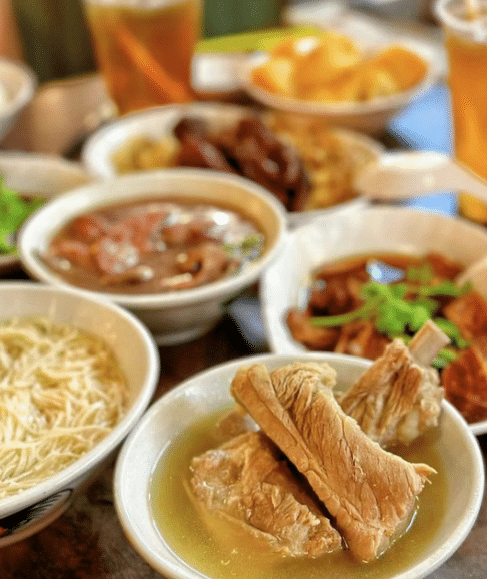
Bak kut Teh
Bak kut teais a folk delicacy of the Fujianese (Minnan people) and Teochew people in Singapore and Malaysia. It is pronounced as bah kut teh in Fujian dialect. Bone tea uses Chinese medicinal herbs and spices (mainly pepper) to boil pork ribs into a soup. The Chinese believe that tea can remove greasiness, so it is often enjoyed with Bak kut Teh.
Bak kut Teh is a soup made from pig bones and some commonly used Chinese herbs, along with traditional herbal remedies such as diced angelica, cinnamon, angelica root, fennel and coriander, reflecting Singapore’s multicultural influence. Bak kut Teh was once a tonic for coolies who were eating an inadequate diet. However, the dark, herbal tea is only one of two common types of Bak kut Teh. If you are not used to strong herbal soups, you can choose a lighter, peppery soup.
Pictured is Bak kut Teh
Tickets include
1. Lee Kong Chian Museum of Natural History;
2. Sentosa Cable Car.
Itinerary
1. NUS Student Guided Tour
2. Visit the Exhibition Hall of the Financial Administration Bureau
Itinerary
The actual class schedule is: Classes are usually held in the morning (9:00am-12.00pm) or (2:00pm-5:00pm). The specific class time will be determined 2-4 weeks in advance according to the schedule of the school course teacher. At the end of the course, students will receive an academic evaluation report issued by the college and a Top 20 letter of commendation.
Attractions Tour: The itinerary of attractions will be adjusted appropriately according to class time and attraction opening hours.
Course content: The course content is in the optional course list (attached). Since this course can be queried through QR, if there is an institution or college to inquire, the college can provide confirmation of the student's class record and course content as well as evaluation report. Therefore, the actual class content may be randomly arranged according to the college's courses.
The course of this academy is formed into a group with 40 people or more, and the minimum is 35 people (fees are calculated separately). The hotel quotation is a floating price, which is subject to the contract signing date and payment date. If the trip is overtime, the overtime fee will be charged according to the hours. Once the contract is confirmed, if you cannot participate due to personal reasons, no refund will be given. Please understand.
The course content is in the optional course list (attached). Since this course can be queried through QR, if there is an institution or college to inquire, the college can provide confirmation of the student's class record and course content as well as evaluation report. Therefore, the actual class content may be randomly arranged according to the college's courses.
Note: It is best to choose a flight to arrive in Singapore on Sunday. You can start classes on Monday and finish them on Friday. You can play in Sentosa in the afternoon and end your trip on Saturday and return directly to your warm home.
hotel
Hotel: Singapore local four-star Furama RiverFront (or equivalent four-star) 7 days and 6 nights double standard (2 people per room)
meal
Includes three special dinners, priced at SGD 20.
postscript
The biggest feature of this course is that while students are in class, they tour the whole of Singapore. By studying in the exhibition halls of government departments URA and the Financial Services Authority, they can have a detailed and immersive understanding of the past, present, construction and future development of Singapore's garden city.
Visits to all government departments (Singapore Monetary Authority Exhibition Hall and URA) are subject to the opening hours of the government departments. In case of special circumstances, such as important figures or closure for some reasons, Singapore Utravel Travel Agency cannot make any compensation. You can negotiate with the tour operator to replace it with another itinerary. Please be advised!